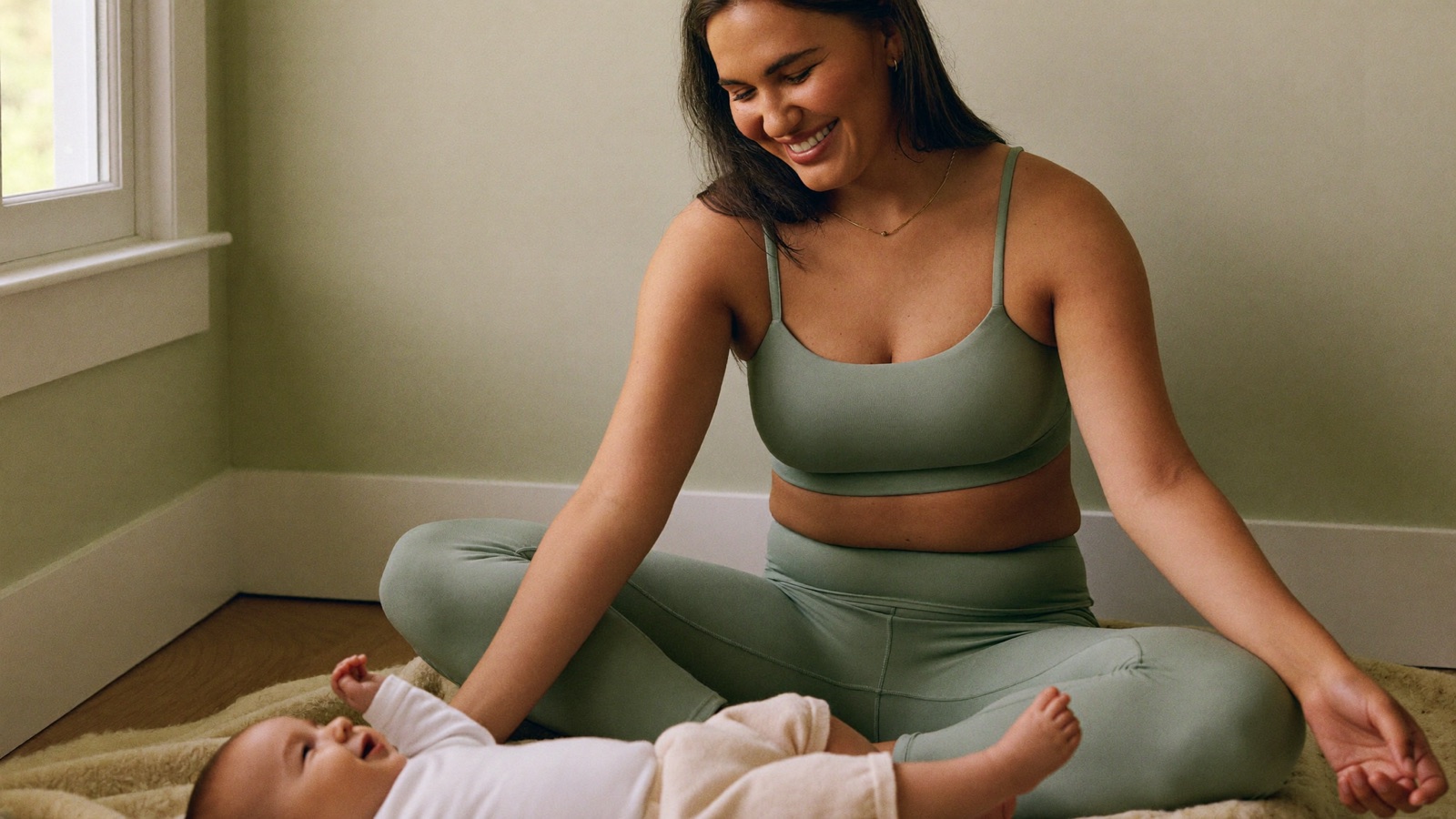
The weeks right after birth are unlike anything else. Your body has just done something extraordinary, your world has shifted completely, and somewhere between the feeds and the nappy changes, people will ask how you're "getting on." This guide is a quiet space to understand what the fourth trimester actually is, what is genuinely normal during this time, and how to be kind to yourself while your body and mind find their new footing.
What is the fourth trimester?
The fourth trimester refers to the first twelve weeks after your baby is born. The name recognises something important: birth is not a finish line. It is a transition. Your body spent roughly forty weeks growing a human, and it needs a generous stretch of time to recover, re-balance, and adapt to life on the other side of that.
During these weeks your uterus is contracting back to its usual size, your hormones are shifting dramatically, your pelvic floor and abdominal muscles are rebuilding, and your sleep is broken in ways that affect both your mood and your physical healing. Twelve weeks is a rough guide, not a deadline. Your timeline is your own.
What is normal physically in the first weeks after birth?
A wide range of physical experiences is completely normal during newborn recovery for mums. Knowing what to expect can make them feel less alarming.
- Lochia (postpartum bleeding) that gradually lightens over two to six weeks.
- Afterpains, especially during breastfeeding, as the uterus contracts.
- Perineal tenderness or caesarean wound soreness. Both need time and gentleness.
- Deep fatigue where broken sleep and physical recovery compound each other.
- Night sweats as your body releases the extra fluid from pregnancy.
- Hair shedding around three to four months postpartum. Temporary, and very common.
If you notice heavy bleeding (soaking more than one pad an hour), fever, unusual pain, or anything that feels off, contact your midwife or GP promptly.
What is normal emotionally?
Feeling tearful, overwhelmed, anxious, joyful, and exhausted, sometimes in the same hour, is genuinely common. Around the third to fifth day after birth, many women experience a period of weepiness often called the "baby blues," which usually settles within a week or two. You do not have to feel a rush of pure bliss, and you do not have to feel fine. Whatever you are feeling is information, not a verdict on you as a mother.
If low mood, anxiety, or feeling detached from yourself or your baby persists beyond two weeks, please reach out. Your midwife, Plunket nurse, or GP can talk things through with you and connect you with support. Postnatal depression and anxiety are common, treatable, and nothing to be ashamed of. You deserve care too.
Rest is part of your recovery
In a culture that rewards being busy, rest can feel uncomfortable. But rest in the postpartum period is not passive. It is active recovery. Your body is rebuilding tissue, rebalancing hormones, and producing milk. Accepting help when it is offered, lowering your standards for housework, and sleeping when the opportunity arises are not signs of struggling. They are sensible choices that support your postpartum recovery timeline.
Gentle movement when your body is ready
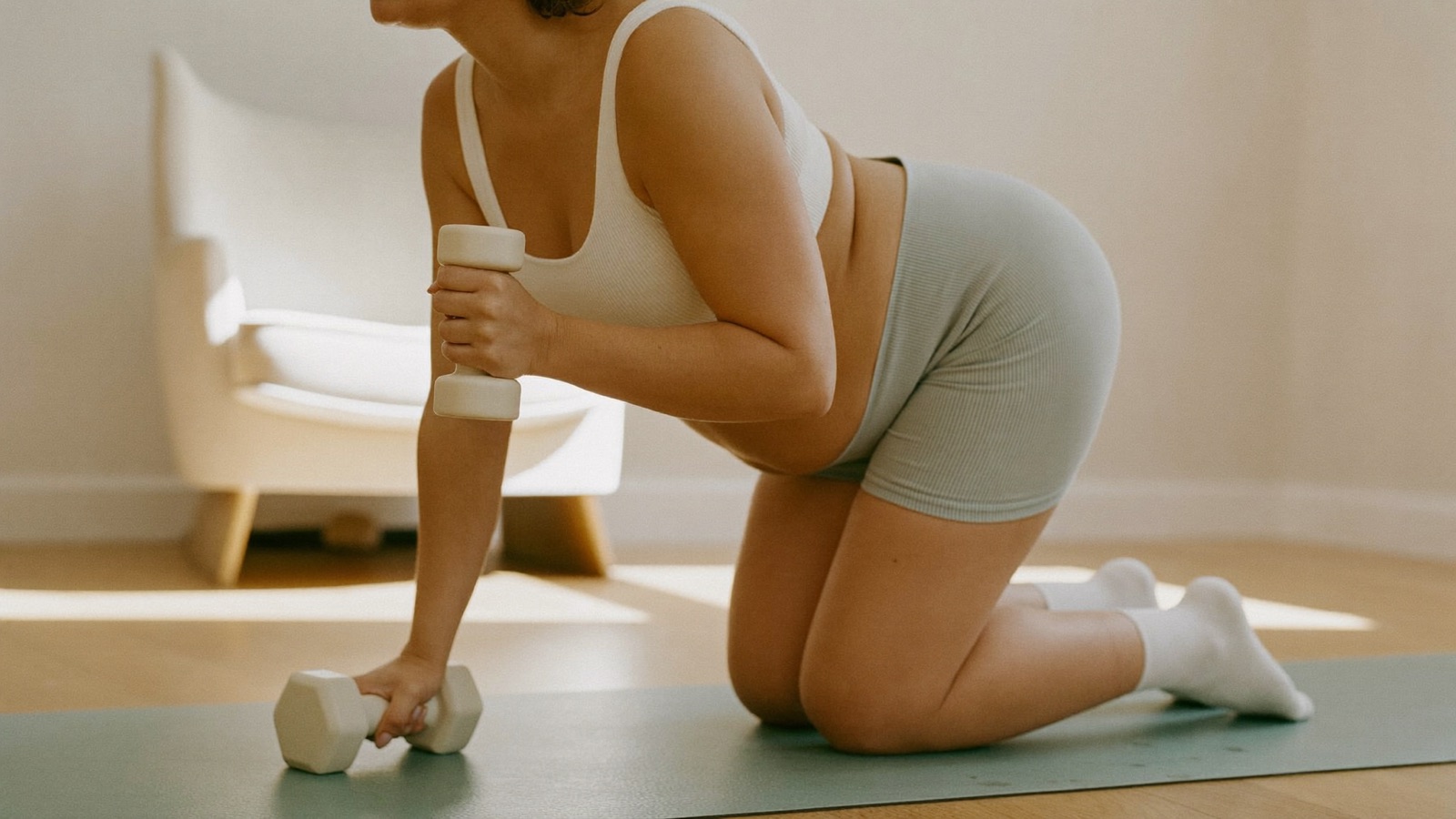
Movement in the fourth trimester is not about fitness targets. It is about supporting healing and feeling a little more like yourself. Before adding anything beyond gentle daily activity, check in with your midwife or GP, particularly after a caesarean or a difficult birth. Our postpartum fitness guide covers how to think about movement at each stage.
Breathing and posture
Slow, full diaphragmatic breathing is one of the most useful things you can do from the very first days. It helps your nervous system settle and gently wakes up your deep core. Hours of feeding also pull your shoulders forward, so rolling them back gently between feeds, and bringing your baby up to you with a pillow rather than hunching down, makes a real difference over days and weeks.
Short walks
If your recovery is progressing well, a gentle walk outside, even just to the letterbox and back, offers fresh air and a small dose of movement without asking much of a healing body. Start very short. Increased bleeding, pain, or exhaustion after a walk are signals to scale back and rest more.
Pelvic floor awareness
Your pelvic floor has been through a lot, whether you birthed vaginally or by caesarean. Gentle reconnection at the right time supports long-term recovery. Our guide to pelvic floor recovery covers what to know and when to start. Every track in Easy Peasy is reviewed by practitioners who review every track to make sure the movement is appropriate for this stage.
There is no race. Starting where your body actually is, even with ten quiet minutes, is worth far more than pushing through something that leaves you depleted. Browse all our gentle guides for more, and when you are ready, start gently with Easy Peasy at whatever pace suits you today.
Common questions
How long does the fourth trimester last?
The fourth trimester generally covers the first twelve weeks after birth, but recovery is not a straight line. Some physical and emotional shifts continue well beyond that point. Give yourself permission to still be in recovery after the three-month mark.
When can I start exercising after having a baby?
It depends on your birth experience and recovery. Breathing and very gentle walking can often begin within the first days if you feel comfortable. More structured movement is usually discussed at your six-week postnatal check. Your midwife or GP is the best person to advise you based on your individual circumstances.
Is it normal to feel anxious or low after having a baby?
Yes, very common. Hormonal shifts, broken sleep, and the enormity of a new role all contribute. Mild weepiness in the first week or two is normal. If feelings of anxiety, low mood, or disconnection persist beyond two weeks, or feel severe at any point, please talk to your midwife, Plunket nurse, or GP. You do not have to manage that alone.
Do I need to do anything specific for my pelvic floor after birth?
Gentle pelvic floor awareness is worthwhile for most women after birth, but how and when varies. After a straightforward vaginal birth you can often begin gentle reconnection within the first days. After a caesarean or more complex birth, wait for guidance from your midwife or GP, or see a women's health physiotherapist for a personal assessment. Our pelvic floor recovery guide has more detail.