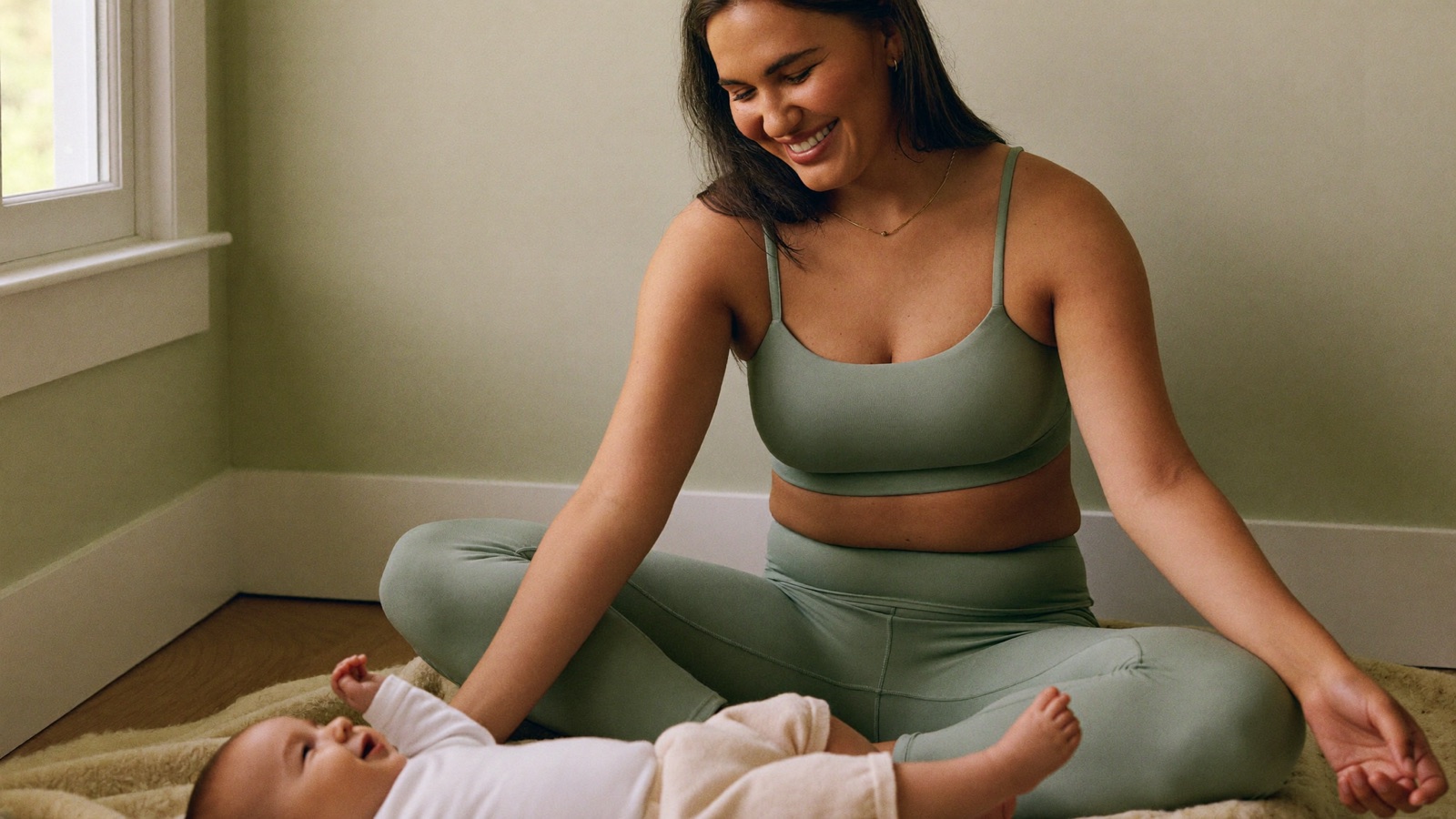
Having a baby changes everything, including your relationship with your body. Whether you gave birth six weeks ago or six months ago, returning to exercise after birth doesn't have to feel like a performance or a race. It can feel like coming home to yourself, one gentle step at a time. This guide is here to help you understand what postnatal exercise actually looks like, what's safe, and how to start without pressure or overwhelm.
Why postpartum fitness is different
Your body has just done something remarkable. Pregnancy and birth put significant demands on your muscles, joints, connective tissue, and nervous system. Even if you feel fine on the outside, the structures supporting your core and pelvic floor need time and the right kind of movement to recover well.
The first few months after birth, sometimes called the fourth trimester, are a time of healing as much as new beginnings. That means high-intensity exercise, heavy lifting, or anything that creates pressure or downward strain on your pelvic floor can do more harm than good at this stage, regardless of how fit you were before.
This isn't about being fragile. It's about building a foundation that lets you move well for the next few decades, not just the next few weeks.
Getting the green light from your care team
Before starting or significantly changing your exercise routine after birth, please check in with your midwife, GP, or a women's-health physiotherapist. Every birth is different, and every body's recovery timeline is different. A brief conversation with your care provider is the kindest thing you can do for yourself before you begin.
In New Zealand, you can ask your Lead Maternity Carer for a referral to a pelvic health physiotherapist, or search for one privately through Physiotherapy New Zealand. A single assessment can give you personalised guidance that no app or article can provide.
Starting with your pelvic floor
Before you think about walking programmes, strength training, or anything else, the most useful place to begin is your pelvic floor. These muscles support your bladder, uterus, and bowel, and they go through a lot during pregnancy and birth, whether you had a vaginal birth or a caesarean.
Good pelvic floor recovery isn't just about doing lots of kegel exercises. It's also about learning to relax the pelvic floor, not just contract it, and connecting breath with movement so your whole core works as a system.
Signs your pelvic floor may need support
- Leaking urine when you cough, sneeze, laugh, or exercise
- A feeling of heaviness or pressure in your pelvic region
- Difficulty controlling wind or bowel movements
- Pain during sex after returning to it
- Lower back or hip pain that wasn't there before
Any of these are worth mentioning to your GP or midwife. They're common, but they're not something you simply have to live with.
What safe postnatal exercise looks like in practice
Gentle movement is the starting point, and it looks different for every mum. For some women in the early weeks, a slow walk around the block is genuinely enough. For others a few months out, it might mean structured low-impact movement three or four times a week. Neither is better than the other. What matters is that you're listening to your body rather than pushing through it.
Movements that tend to be well-tolerated early on
- Gentle walking, starting short and building gradually
- Diaphragmatic breathing and pelvic floor connection work
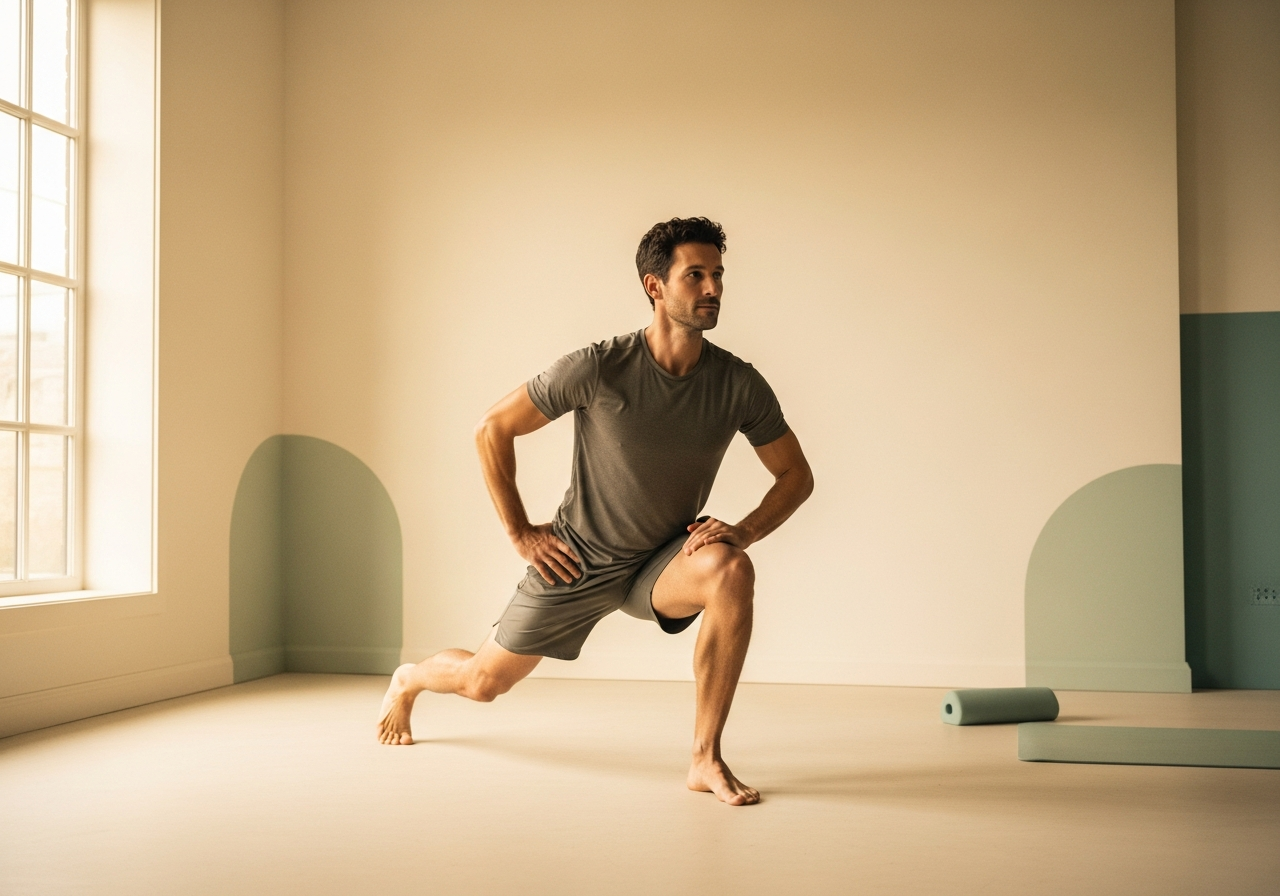
- Gentle stretching for tight hips, neck, and shoulders (very common in new mums)
- Posture-focused movement to counter the hunching that comes with feeding and carrying
Movements to approach with caution, and ideally with guidance first
- Running and jumping (high-impact movement is typically not recommended before around three months, and even then only once you've assessed your pelvic floor readiness)
- Traditional sit-ups or crunches, which can worsen abdominal separation if it's present
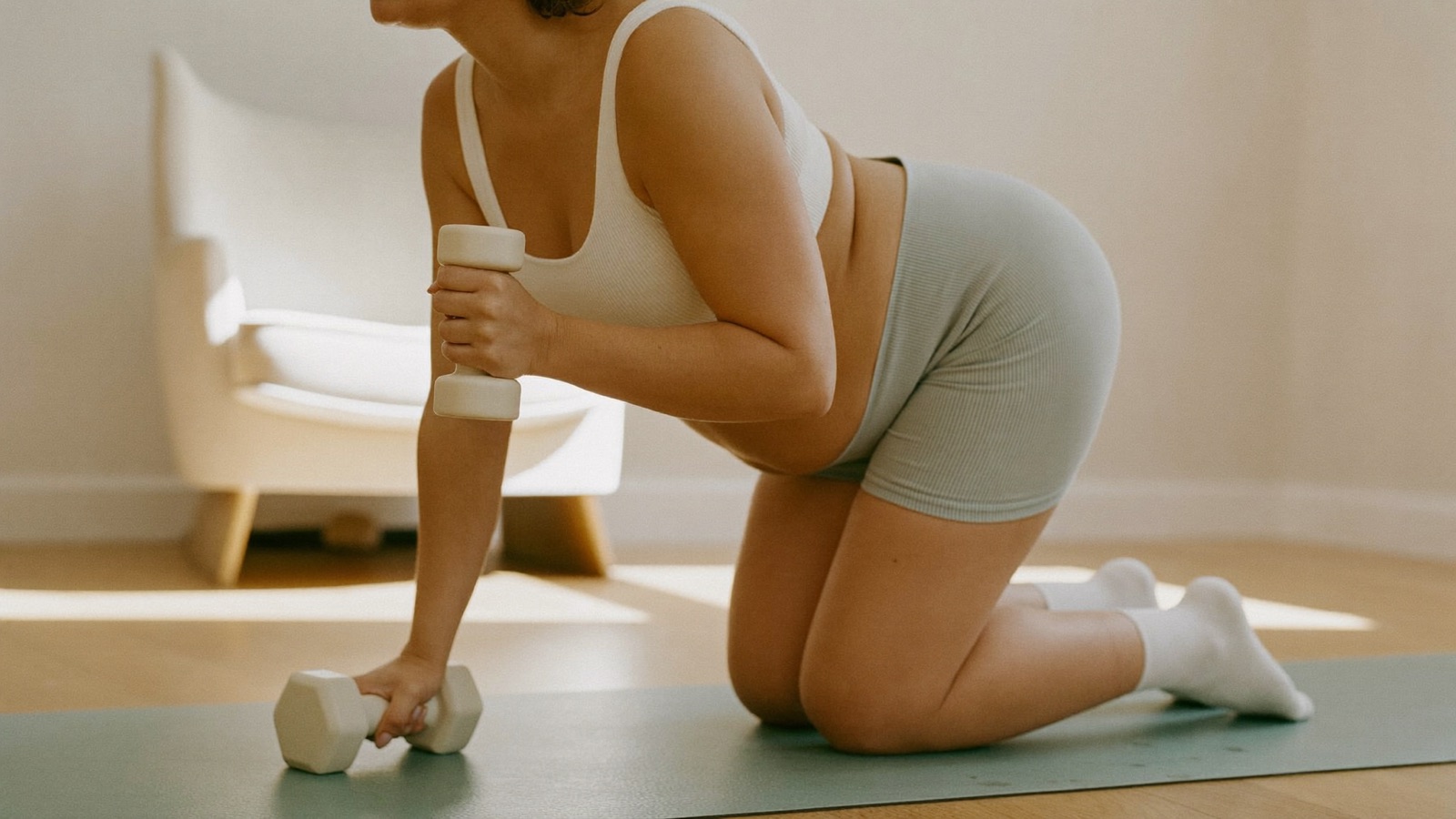
- Heavy lifting under load before your core is ready to manage it
- High-intensity interval training in the early postpartum period
This isn't a list of things you can never do again. It's a list of things worth checking on with a professional before you jump back in. Our practitioners who review every track in the Easy Peasy app are NZ-registered women's-health and pelvic-floor physiotherapists, so you can trust that what's inside the app has been built with exactly these considerations in mind.
How to make movement sustainable as a new mum
The biggest challenge with postnatal exercise usually isn't motivation or willpower. It's time, energy, and the sheer unpredictability of life with a baby. A programme that requires you to carve out an hour in a gym is probably not going to work. One that meets you in your living room, in ten or fifteen minutes, and expects nothing from you but showing up as you are, has a much better chance.
A few things that genuinely help:
- Pairing movement with something that's already happening, like nap time or after the morning feed
- Letting go of the idea that a short session "doesn't count." Ten minutes of intentional movement is ten minutes more than nothing, and it adds up
- Moving in a way that feels good, not punishing. Enjoyment is a sustainability strategy
- Being honest with yourself about what your body is telling you. Fatigue, discomfort, and overwhelm are all valid reasons to rest
You can explore all our gentle guides for more support across different stages of the postpartum journey.
Common questions
How soon after giving birth can I start exercising?
There's no single answer, because it depends on your birth experience, how you're healing, and how you're feeling. Very gentle movement, like slow walking and breathing exercises, is often appropriate from the first week or two for many women. More structured exercise is generally introduced gradually after your six-week check, and ideally with input from a pelvic health physiotherapist before you increase intensity. If you had a caesarean, perineal tears, or any complications, your timeline may be longer. Always check with your midwife or GP before starting.
Is it safe to exercise while breastfeeding?
Yes, for most women gentle to moderate exercise is safe while breastfeeding. Staying hydrated is important, and a supportive bra that fits your changing size will make movement more comfortable. Some research suggests very high-intensity exercise can temporarily affect milk taste due to lactic acid, but moderate postnatal exercise has not been shown to affect milk supply. If you have any concerns, your midwife or a lactation consultant can help.
What is abdominal separation and should I be worried about it?
Abdominal separation, or diastasis recti, is where the two sides of your rectus abdominis (the muscle that runs down the front of your belly) move apart to accommodate your growing baby. It's very common, occurring to some degree in the majority of pregnancies. It often resolves on its own, but for some women it needs specific rehabilitation. Exercises like crunches can make it worse if done too soon. A pelvic health physiotherapist can assess whether you have diastasis recti and guide your rehabilitation if needed.
When can I return to running after having a baby?
Running is a high-impact activity that puts significant load through the pelvic floor. Most guidelines suggest waiting until at least three months postpartum before returning to running, and only after a pelvic floor assessment confirms you're ready. Signs like leaking, heaviness, or pain when you try running are signals to slow down and seek advice, not push through. Building up gradually, starting with walk-run intervals, is generally a sensible approach once you've had the all-clear.
Ready to move at your own pace, with tracks built for where you actually are? Start gently with Easy Peasy and let your body lead the way.