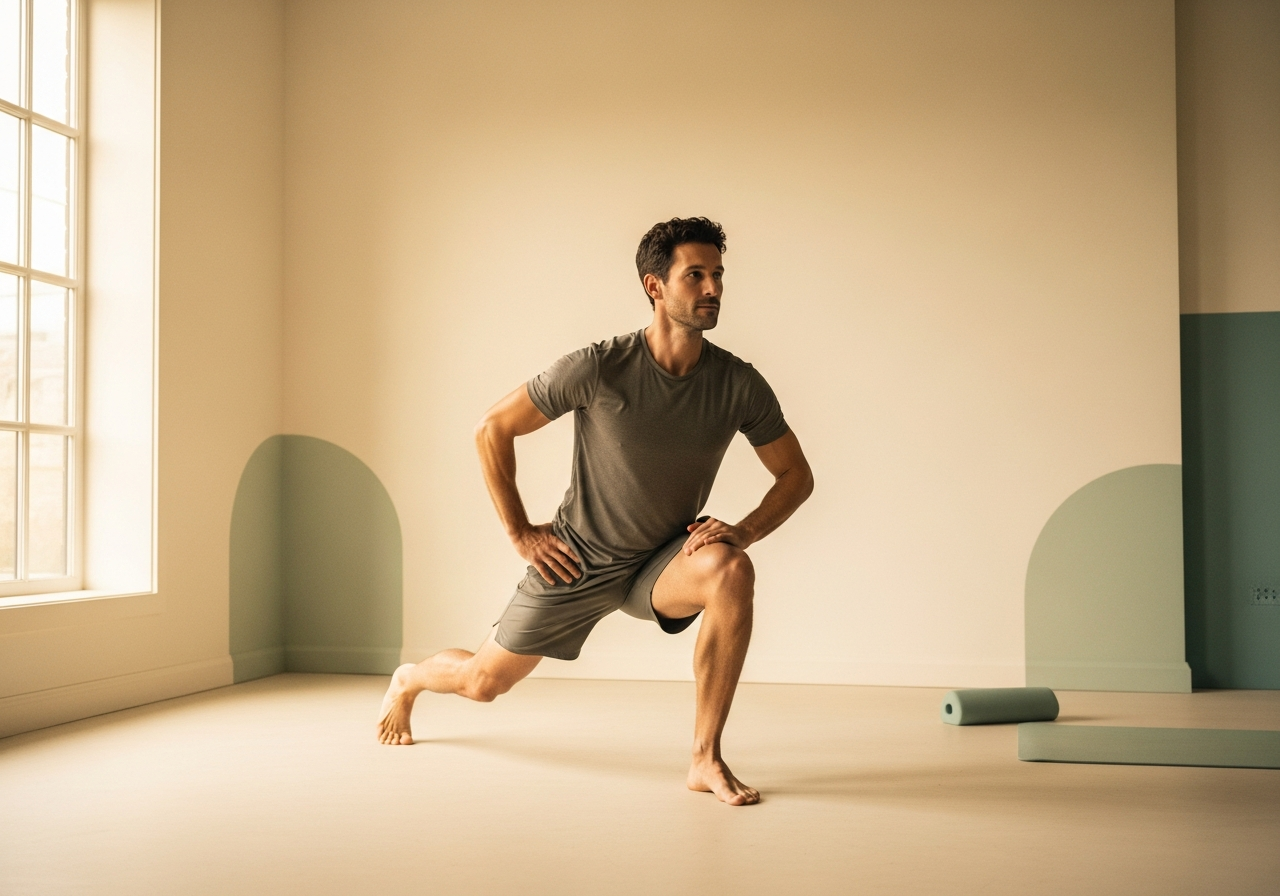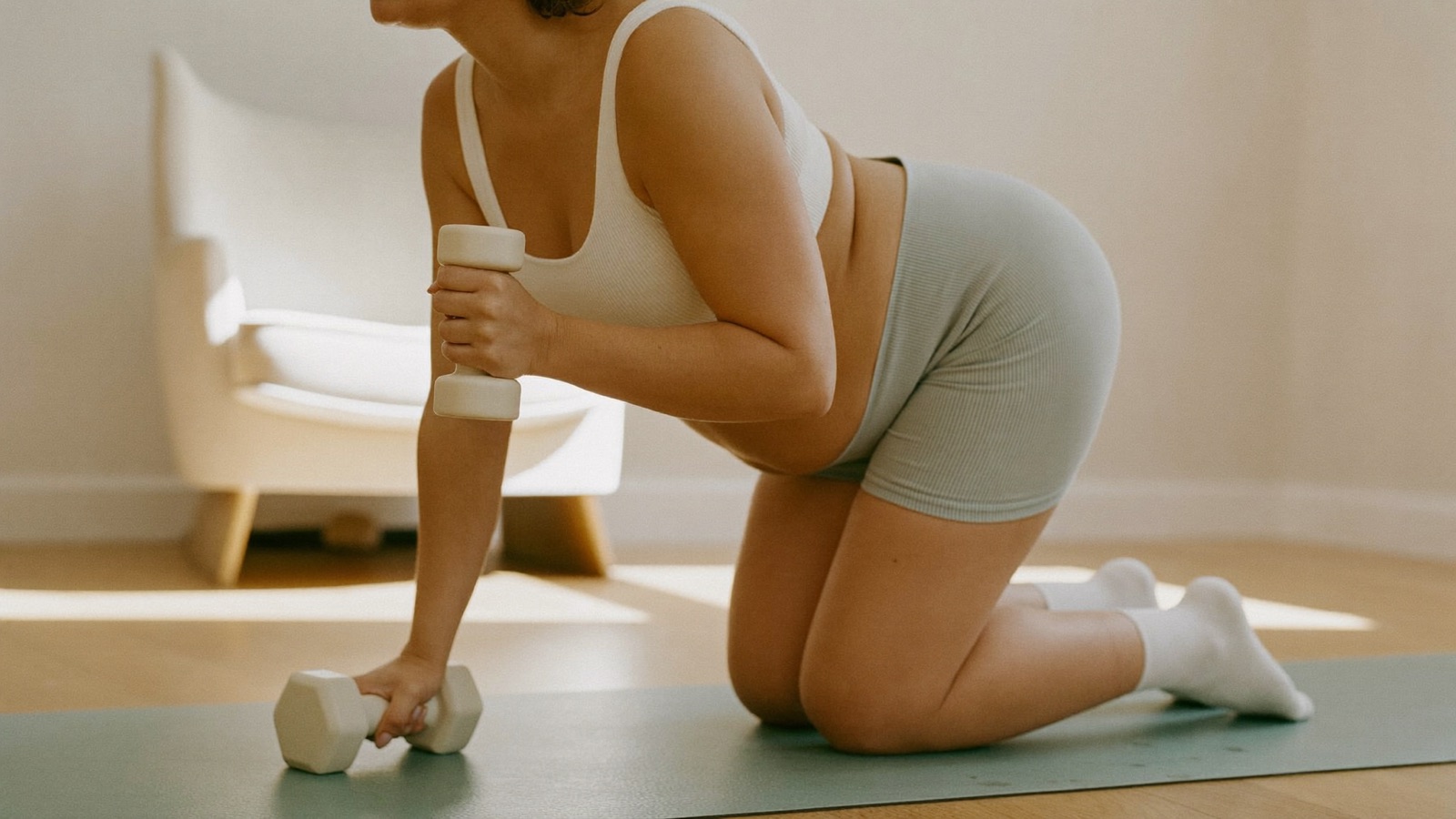
A caesarean section is major abdominal surgery. Six layers of tissue are cut (skin, fat, fascia, the uterine muscle, and more) and each of those layers then has to heal in sequence over the weeks that follow. Understanding this is not meant to be alarming. It is meant to be reassuring: your body has done something extraordinary, and it deserves the time and care to heal properly before you ask it to do more.
Getting back to exercise after a c-section is entirely possible, and for many mums it is an important part of their postnatal recovery. But the timeline and approach look different from a vaginal birth, and that difference matters. This guide walks through a gentle, week-by-week framework grounded in the NZ context, with advice on when to get clearance from your care team and what to watch for as you go.
Important: please read before you begin
This guide is general information only. It is not a substitute for advice from your LMC, GP, midwife, or a women's-health physiotherapist. Every c-section recovery is different: your experience, your wound healing, your overall health, and any complications all affect your individual timeline. Always check with your care team before starting or increasing exercise, and stop immediately if you experience pain, increased bleeding, or any change at your wound site.
Why c-section recovery is different
Many mums are surprised to find that a c-section can affect their core function even though they did not labour vaginally. This is because the abdominal muscles, connective tissue, and nerves that are cut during the procedure are the same structures that form your deep core system. The internal healing process continues for many months after the external wound appears healed: research suggests that full internal scar maturation can take up to twelve to eighteen months.
Alongside this, the pelvic floor has still been under significant load throughout your pregnancy, regardless of how your baby was born. Both of these factors mean that the foundation work (breathing, pelvic floor reconnection, and gentle walking) is just as important after a c-section as after a vaginal birth, and should come before any abdominal or load-bearing exercise.
A gentle week-by-week framework
Weeks 0–2: Rest, breathe, and heal
The first two weeks after a c-section are primarily about rest and recovery. You are healing internally and externally, managing pain, adjusting to caring for a newborn, and often managing disrupted sleep. This is not the time for exercise in any structured sense.
What is appropriate in this window:
- Gentle diaphragmatic breathing: this is one of the first and safest things you can do, even while in hospital. Breathing helps mobilise the lower lung segments, supports recovery from anaesthesia, and begins the process of reconnecting your core and pelvic floor.
- Very gentle pelvic floor awareness: not contractions, but simply noticing whether you can feel the pelvic floor and whether it can relax.
- Short walks around the house, gradually increasing as comfortable: movement reduces the risk of blood clots and supports recovery, but it should feel manageable and not painful.
- Getting in and out of bed carefully using a log-roll technique rather than sitting straight up from lying, which puts significant strain on your wound.
What to avoid: any movement that increases pain at your wound site, heavy lifting, straining, or anything that creates bearing-down pressure in your abdomen.
Weeks 2–6: Gentle walking and posture
As the early wound healing progresses, most mums find they can gradually extend their walking and begin working more intentionally on posture and gentle mobility. The body's natural tendency after a c-section is to guard the wound by hunching forward: this is protective but, if it continues, can contribute to back and hip tightness.
Focus for this period:
- Gradually increasing walk duration: add a few minutes every few days, guided by how you feel.
- Gentle posture awareness: standing tall, letting shoulders relax back and down, and thinking about lifting gently through the crown of your head. This does not need to be effortful, just a gentle check-in a few times a day.
- Continuing diaphragmatic breathing, progressing to connecting the exhale with a gentle pelvic-floor lift if this feels accessible and does not cause discomfort.
- Gentle stretches for the hip flexors, neck, and upper back, common areas of tightness for new mums regardless of birth type.
What to avoid: anything that causes pain at your wound, any abdominal exercises, heavy lifting, and returning to sport or structured training without clearance.
Your six-week postnatal check
In New Zealand, your LMC care typically transitions to a Well Child Tamariki Ora provider at around six weeks, and you will usually also have a postnatal check with your GP around this time. This appointment is an important milestone for c-section recovery.
Use this appointment to:
- Have your wound assessed if you have any concerns.
- Ask for a referral to a pelvic health physiotherapist: this is particularly valuable after a c-section and may be covered by ACC if you have a qualifying birth injury claim.
- Discuss what exercise is appropriate for you specifically, given your individual recovery.
- Raise any symptoms that concern you: leaking, pelvic heaviness, pain, or anything else you have been noticing.
A six-week check does not automatically mean you have been "cleared" for all exercise. It is the beginning of a more active conversation with your care team, not a green light to return to your pre-pregnancy training regime immediately.
Weeks 6–12: Building gently from the ground up
With clearance from your care team, the period from six to twelve weeks is typically when mums can begin more intentional movement. The priority is still foundation work (deep core and pelvic-floor rebuilding) before adding any external load or impact.
- Structured pelvic-floor exercises, ideally guided by a women's-health physiotherapist who has assessed your specific function.
- Gentle core rehabilitation: this does not mean crunches or sit-ups, which are not recommended at this stage. It means learning to engage the deep transverse abdominis through breathing and low-load movements.
- Continuing to progress walking duration and intensity as comfortable.
- Low-impact strength work for the whole body (glutes, legs, shoulders, upper back) that does not create bearing-down pressure on the core.
Continue to avoid: running, jumping, heavy lifting under load, traditional sit-ups or crunches, and anything that causes pain or discomfort at or around your scar.
Three months and beyond
From around three months postnatal, many mums with an uncomplicated c-section recovery can begin to progress to more challenging exercise, but only once the foundational work has been done and they have had a thorough pelvic-floor assessment. Running, in particular, should not be returned to before this point, and even then only if a physiotherapist has confirmed readiness.
Our guide to gentle postpartum fitness covers the broader landscape of progressive postnatal movement once you are ready to build more structured training into your week.
C-section scar awareness
Many mums are not told about scar care, and yet it can make a significant difference to how the scar heals and how your core functions in the longer term. A c-section scar that develops adhesions (where the scar tissue binds to the underlying fascia or muscle) can restrict movement, cause pain with certain exercises, and affect the function of the deep core.
Scar massage, once the wound is fully healed (usually around six to eight weeks), can help to:
- Maintain the pliability of the scar tissue.
- Restore sensation to areas that may feel numb or hypersensitive around the scar.
- Prevent or address adhesions that might otherwise restrict movement.
The technique for scar massage is best learned from a women's-health physiotherapist who can guide you through it properly. If your scar feels tight, numb, or painful months after birth, do mention it: these are treatable issues, not something you simply have to live with.
For more on rebuilding your pelvic floor after birth, our guide covers the full picture across both vaginal and caesarean births.
Common questions
When can I start exercising after a c-section in NZ?
The standard guidance is to begin with very gentle movement (walking short distances, gentle breathing, and pelvic-floor awareness) once you feel comfortable enough, usually within the first one to two weeks. More structured exercise is typically not recommended until after your six-week postnatal check with your LMC or GP, and they may refer you to a women's-health physiotherapist for a proper assessment first. Every recovery is different, and your surgical wound, any complications, and how you are feeling all matter. Do not compare your timeline to anyone else's.
Is it safe to do pelvic floor exercises after a c-section?
Yes, and they are often encouraged quite early on, even within the first week. While a c-section bypasses the perineum, the pelvic floor still supports your bladder, uterus, and bowel, and those structures have been under significant pressure throughout your entire pregnancy. Gentle pelvic-floor reconnection is usually safe and beneficial after a c-section. A pelvic health physiotherapist can guide you on the right technique and intensity for your individual situation.
How do I know if I am doing too much too soon after a c-section?
Signs that you may be overdoing it include increased pain or discomfort at your wound site, heavier bleeding or spotting after activity, a feeling of dragging or heaviness in your pelvis, fatigue that does not improve with rest, or discharge from your wound. If any of these occur, stop what you are doing and contact your LMC, GP, or midwife. These are signals to slow down, not to push through.
Do I need to do anything special for my c-section scar?
Scar massage and mobilisation can help reduce tightness, improve sensation, and prevent adhesions from forming between the scar tissue and underlying structures. Most practitioners recommend waiting until the wound is fully closed and healed (usually around six to eight weeks) before beginning scar massage, and ideally learning the technique from a women's-health physiotherapist. If your scar feels numb, tight, or painful well beyond the early healing phase, mention it to your GP or LMC.
Ready to move gently and build back steadily, with tracks designed by NZ practitioners who understand c-section recovery? Join the Easy Peasy early access list.